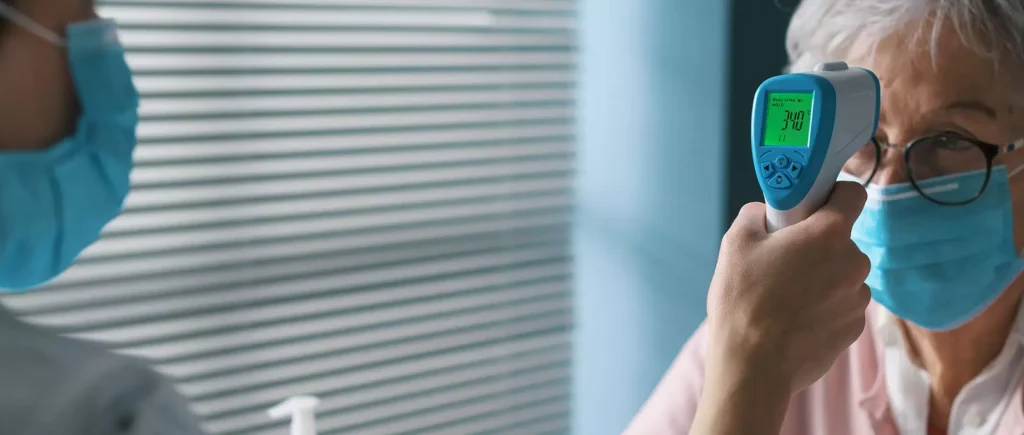
Fever, burning eyes, sore throat, and a spreading, blistering rash demand immediate medical care. If you’ve had a medication change or are on a new medication and you notice these symptoms, stop the suspected drug and get to an emergency department as soon as possible.
Quick action can save lives, protect vision, and make recovery far less taxing. At Dunn Sheehan, we’ve seen how quick recognition and the right specialists—dermatology and ophthalmology—can change outcomes for patients receiving treatment for Stevens-Johnson syndrome. For quick context on patterns and triggers, see our guidance on SJS and TEN causes & symptoms.

The First Hours Matter
Once the ER team stabilizes you, the next few hours shape the course of your medical care. This is when clinicians stop the suspected drug, call the right specialists, and decide whether burn/ICU care is needed. Those choices influence complications, vision outcomes, and length of hospitalization.
Early Care Shapes Every Outcome
Fast escalation protects skin and mucosal surfaces, and early ophthalmology preserves sight. When those steps happen on time, the body gets a safer path to heal. When they lag, injuries deepen, and the chart shows it.
What’s Documented
You don’t have to manage paperwork in the middle of a crisis. Hospitals record medication stop-times, consult calls, transfers, and wound notes as part of standard care. That record supports your clinicians today and gives us an objective timeline later, should you want us to evaluate accountability.
Specialized Treatment Makes a Measurable Difference
Stevens-Johnson syndrome behaves like a severe burn, so being in the right unit matters. Burn centers and intensive care teams understand wound management, pain control, and infection prevention in a way general wards may not. Faster stabilization reduces complications and long-term injury.
Eye Protection Starts Immediately
Ophthalmology should be at the bedside early—not days later. Eye involvement is common and can worsen quickly, but timely lubrication, protective lenses, or gentle steroid use can preserve sight. Addressing the eyes sooner can improve their prognosis.
Supportive Care Is the Foundation
When it comes to Stevens-Johnson syndrome treatment, supportive care isn’t secondary—it’s the treatment itself. The first goal is stabilization, and that work often happens in an ICU or burn unit, where teams manage SJS with the same precision used for major burn injuries. Medical professionals can add systemic medications later, but supportive care remains the backbone of your healing process.
Core elements of effective supportive care include:
- Fluid and electrolyte replacement to counter severe losses and keep vital organs stable.
- Specialized wound management using non-adhesive dressings, gentle debridement, and infection monitoring.
- Comprehensive pain control that allows mobility, nutrition, and wound care without trauma.
- Nutritional support—often with enteral feeding—to promote tissue repair and immune function.
- Early ophthalmology involvement to prevent adhesions and preserve vision.
- Multidisciplinary oversight from dermatology, critical care, ophthalmology, and rehabilitation specialists.
Clinical reviews and treatment guidelines consistently reaffirm that supportive care is the mainstay of SJS/TEN (toxic epidermal necrolysis) management. Some specialized centers may add systemic treatments such as cyclosporine, etanercept, or short courses of IVIG or corticosteroids. Doctors use these therapies selectively and always in addition to core supportive care.
What Happens Next
Once the crisis phase of Stevens-Johnson syndrome treatment ends, care shifts from rapid stabilization to steady, day-by-day support. Skin and eyes begin to stabilize, but energy, comfort, and confidence take longer to return. Each small victory—sleeping through the night, tolerating light again, or eating without pain—marks genuine progress.
As your body heals, your care team shifts focus from survival to recovery. Specialists monitor scarring, hydration, and mobility while adjusting pain control and nutrition to support the next stage of rebuilding. Dunn Sheehan’s role begins here too, turning the medical record of what happened into a roadmap for what comes next—ongoing treatment, compensation, and the stability families need to move forward.
What the Next 90 Days Often Look Like
Documenting Your Recovery
Healing from Stevens-Johnson syndrome extends far beyond a treatment discharge. Each follow-up visit, specialist note, and progress photo contributes to your medical story. These records become essential legal evidence that prove how the syndrome affected your body and quality of life.
Working with medical experts, Dunn Sheehan translates that documentation into a clear picture of long-term needs and costs, helping families secure the resources to maintain care and financial independence.
Vision, Scarring, and Daily Function
For many patients, vision therapy begins as soon as the ocular surface stabilizes. Early rehabilitation prevents long-term complications and helps regain focus and light tolerance. As skin heals, dermatology teams address scars and irritation to restore comfort, while pain specialists refine medications so movement and rest come easier.
Each improvement reinforces the others. For example, better mobility supports improved sleep, better rest aids healing, and stronger recovery shortens downtime from work or school.
Life-Care Planning for Children & Working Adults
Recovery from Stevens-Johnson syndrome or TEN (toxic epidermal necrolysis) touches every part of life. After initial treatment, children may need classroom adjustments, occupational therapy, and ongoing ophthalmology care. Adults often face modified schedules or new routines while their strength returns. Through these phases, Dunn Sheehan works to ensure treatment costs and life-care planning get reflected in the case outcome so families can focus on recovering, not paperwork.
Where Treatment Meets the Legal Case

Building the Timeline
Every case starts with reconstruction. We trace the journey from the first dose to the moment SJS was recognized, comparing notes, medication logs, and chart updates to identify key delays.
Those gaps—when the drug should have been stopped, when specialists were finally called, when transfer occurred—often explain the severity of injury. Mapping that chain of decisions transforms confusion into clarity, showing exactly how timing shaped the outcome.
Label Warnings, Missed Steps, and Causation
This is where responsibility comes into focus. Drug companies must communicate known risks, and clinicians must act on those warnings. When either duty breaks, injuries worsen, and the record shows how.
We line up the facts: what the aggravating medicine’s label said at the time, what the chart shows about dosing, rash onset, and consultations, and when the drug actually stopped. That comparison turns a timeline into legal causation. It doesn’t say “treatment is proof”; it shows how specific decisions led to specific harms.
From there, we quantify what the injuries now require—specialist care, vision support, time away from work—and convert that medical reality into a claim for financial compensation that funds those needs going forward.
Why California Is Important in SJS Litigation
Where a case is filed can shape its outcome. California law recognizes innovator liability, meaning patients harmed by a generic drug can sometimes hold the brand-name developer accountable for inadequate warnings.
Dunn Sheehan reviews every claim to determine which location offers the strongest legal advantage, often combining national evidence with California’s protections to secure the best result.
Case Snapshot: From an ER’s Missed Diagnosis to Funded Care

Early Mistake
A teenager began a sulfa antibiotic and soon developed fever, mouth sores, and a spreading rash. The ER dismissed it as a viral illness and sent him home while the medication continued.
Building the Case
When his condition worsened, Dunn Sheehan traced every decision point—dosing records, ER notes, and photo evidence—to show how delays led to deeper mucosal and ocular injury. Expert testimony confirmed that faster recognition would have limited the damage.
The Resolution
The final outcome secured funding for vision care, wound management, and school accommodations. More importantly, the case restored stability for the family and brought accountability to the drugmaker.
Myths & Facts About SJS Treatment
When SJS hits, advice comes from everywhere—search results, support groups, even well-meaning friends. Some of it helps. Some of it doesn’t. This section separates common misconceptions from what clinicians and guidelines actually recommend, so you can make decisions with clarity.
Myth: I can only claim from a skin injury
Fact: The skin may show the damage, but it’s rarely the whole story. SJS affects mucosal surfaces, the eyes, the lungs, and internal organs. Documenting pain management, breathing issues, or long-term vision loss helps reveal the true cost of the condition.
Myth: A short hospital stay means a small case.
Fact: Duration of admission doesn’t define severity or damage. Some patients stabilize quickly but face months of follow-up treatment for Stevens-Johnson syndrome. What drives the case is not the number of hospital days; it’s how deeply the syndrome altered daily life and future care needs.
Myth: I should wait until I’m fully recovered to call a lawyer.
Fact: The opposite is true. Early contact helps preserve the evidence. Dunn Sheehan’s team uses your records to link the reaction to the drug, ensuring families can access support before costs pile up.
Myth: I can’t pursue a case if I took a generic drug.
Fact: In many states, that’s true, but California law makes an important exception. Under innovator liability, patients harmed by a generic drug may hold the brand-name developer responsible for inadequate warnings. Dunn Sheehan regularly applies that framework to secure justice for clients nationwide.
Frequently Asked Questions
How soon should I contact a lawyer after receiving Stevens-Johnson syndrome treatment?
As soon as you’re stable enough to talk. Early action helps preserve medication samples, hospital charts, and witness recollections that can disappear within weeks. Dunn Sheehan coordinates with your care team to collect records without disrupting treatment.
Can I still pursue a claim if doctors aren’t sure which drug caused my SJS?
Yes, you can. Many SJS cases begin with uncertainty. Our legal-medical experts analyze timing, medication combinations, and known risk profiles to narrow down likely culprits. Identifying the drug is part of the investigation process, not a requirement before you reach out.
What types of compensation are available for SJS victims?
Compensation after Stevens-Johnson syndrome treatment extends well beyond hospital bills. Each case is built around the full picture of SJS diagnosis—the medical care, the adjustments, and your path of healing.
Depending on the circumstances, recoverable damages may include:
- Ongoing ophthalmology and vision care to prevent or manage long-term complications.
- Reconstructive or scar-revision procedures for skin and mucosal injuries.
- Mobility or occupational therapy to restore daily function and independence.
- Lost wages or reduced earning capacity when returning to work takes time.
- Pain and emotional distress compensation recognizing the personal toll of SJS or TEN.
Dunn Sheehan’s team documents each need in detail so families receive the resources required for lasting stability.
What if my loved one passed away from SJS or TEN?
Families can pursue wrongful death claims that address both financial and emotional losses. These cases can also fund specialized therapy and support for surviving family members. Dunn Sheehan’s attorneys guide you through this process with sensitivity and clarity.
Do I have to travel for my case?
No. Most of our work happens remotely—through secure document exchange, video calls, and local medical evaluations. Dunn Sheehan represents clients nationwide and handles all travel requirements for experts and court appearances.
What You Can Do Now
If you or someone you love is still recovering from Stevens-Johnson syndrome, the next step doesn’t have to be overwhelming. Contact Dunn Sheehan for a free case review. Our attorneys will listen with empathy, review your records, and explain where to file and why. You won’t pay anything up front, and we’ll move quickly to preserve evidence while you focus on healing.
A single call can shift the burden from your shoulders to ours. Let us handle the investigation, experts, and deadlines so you can concentrate on recovery and stability.
Start Your Free SJS Case Review
One conversation brings clarity. We explain your options, outline location strategy, and map next steps to secure care and stability. Our team works on contingency—no fee unless we recover—and we represent clients nationwide, with a strong presence in California.