
Open wounds invite dangerous infections, sometimes progressing to sepsis, making this one of the deadliest risks of SJS.



Immediate Risks of SJS
SJS can inflame the lungs, liver, and kidneys within days, making breathing difficult and causing a rapid decline in organ function.
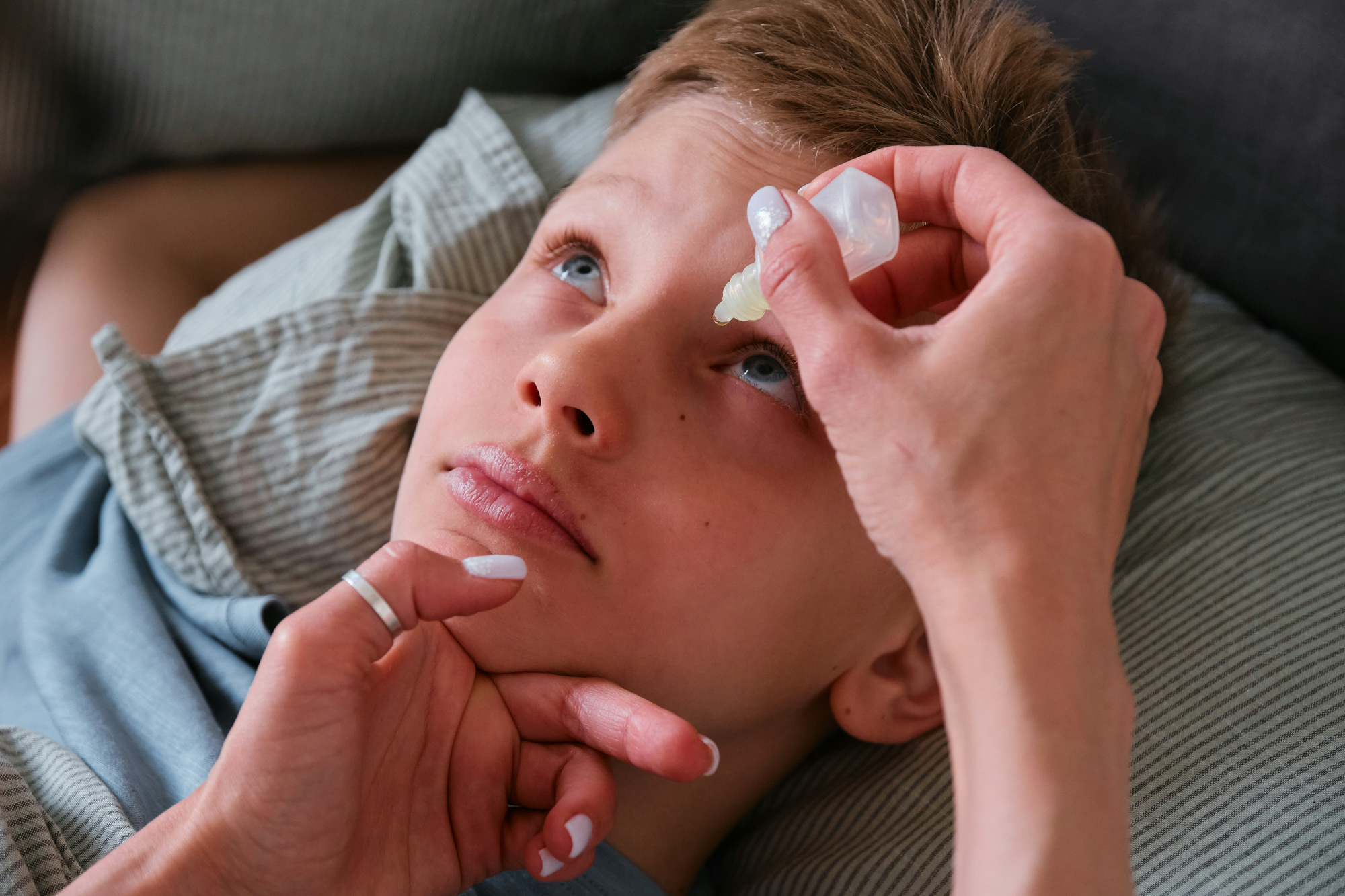
Eye concerns can appear within days, and without immediate treatment, vision loss may become one of the earliest permanent outcomes.
Short-Term Side Effects During Recovery
During recovery, patients often endure painful dressing changes and slow wound healing that requires ongoing attention.
Combined with anxiety, depression, or trauma from the hospital stay, this exhaustion weighs heavily on both patients and their families.
Redness, tears welling up, and sensitivity to light often continue long after discharge, making school, work, or daily activities more challenging.
Long-Term or Permanent Side Effects
Pigment changes, raised scars, and nerve damage remain long after wounds heal. These visible injuries and chronic pain make even routine activities more difficult.
Even after surviving the acute crisis, some patients face lifelong organ damage. Chronic lung disease, reduced kidney function, or liver impairment can linger for decades.
Emotional trauma, infertility, or lasting dental damage can become part of daily life. These injuries can impact opportunities, identity, and quality of life.

Other Risks Families Should Be Aware Of
Families often notice challenges that don’t always appear in medical charts after living with SJS, but these concerns can affect future health.
- Ongoing eye care needs, from chronic dryness to impaired vision
- Recurring infections that stem from weakened skin and immune defenses
- Chronic pain or skin sensitivity that affects mobility and comfort
- Emotional trauma or PTSD that lingers long after the hospital stay
- Financial strain and caregiver fatigue that alter family routines
Among the most important risks to watch for:



Leaders in SJS Litigation
-
Results Recognized Nationwide
We’ve secured significant recoveries for clients facing the devastating long-term effects of SJS, including vision loss, organ damage, and other life-altering injuries.

-
SJS Is the Center of Our Work
SJS litigation is not a side focus; it’s the core of our practice. Families with strong cases choose Dunn Sheehan because we pursue accountability relentlessly and secure outcomes that reflect the true cost of their injuries.

-
Experience That Defines the Field
Our attorneys have extensive SJS-specific experience translating complex medical side effects into compelling narratives that have secured meaningful compensation for our clients.


Not every survivor will live with lasting injuries, but many do. For some, it’s visible scarring or vision loss; while for others, it’s quiet challenges like fatigue or nerve pain. Recognizing these Stevens-Johnson syndrome long-term effects is essential because they’re lived realities that deserve justice.
Yes. Children often carry unique burdens after SJS—interrupted schooling, developmental delays, and deeper emotional trauma. For families, these long-term effects of Stevens-Johnson syndrome aren’t abstract; they can completely change routines, futures, and the caregiving role itself. In litigation, these differences matter because they show how a child’s entire path forward has been altered.
SJS isn’t always a closed chapter. Many patients face recurring infections, chronic eye conditions, or organ decline long after initial recovery. These delayed Stevens-Johnson syndrome long-term effects often require renewed legal—and in some cases, a legal review to determine if additional claims or support are possible.